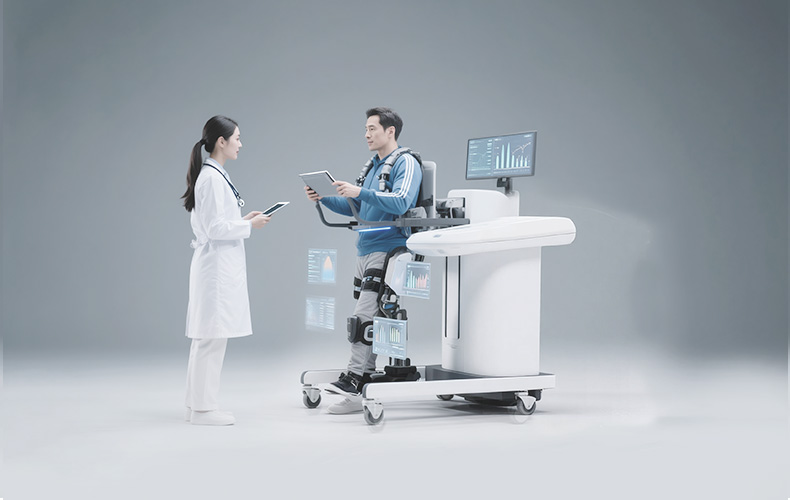
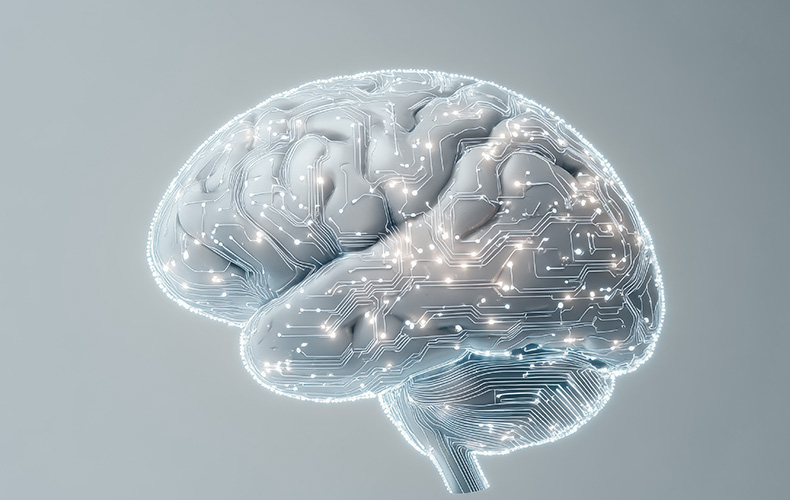
Functional substitution and reconstruction
By decoding motion, speech, and sensory intentions with high precision, complex functions can be directly replaced, allowing patients to live more independently.
-
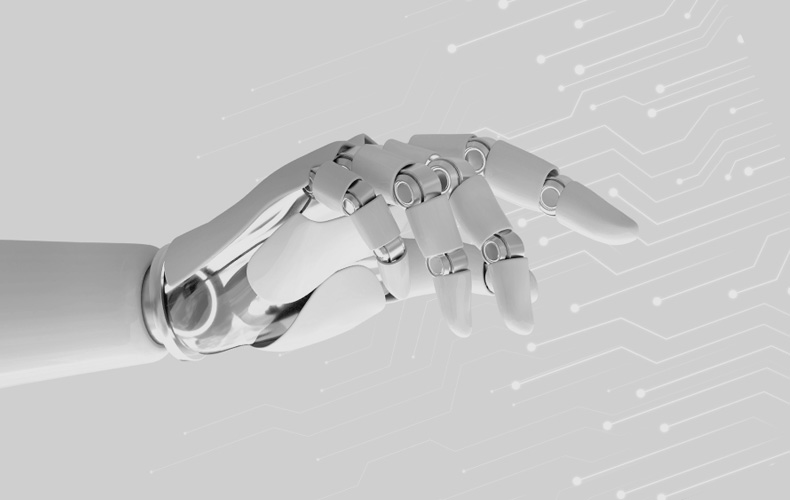 Reconstruct motor functionProvide a novel control pathway for patients with spinal cord injury, high paraplegia, or amyotrophic lateral sclerosis (ALS). By decoding cortical signals, patients can directly control robotic arms, exoskeletons, or wheelchairs to complete actions such as grasping, walking, and moving, regaining their autonomy in movement.
 -
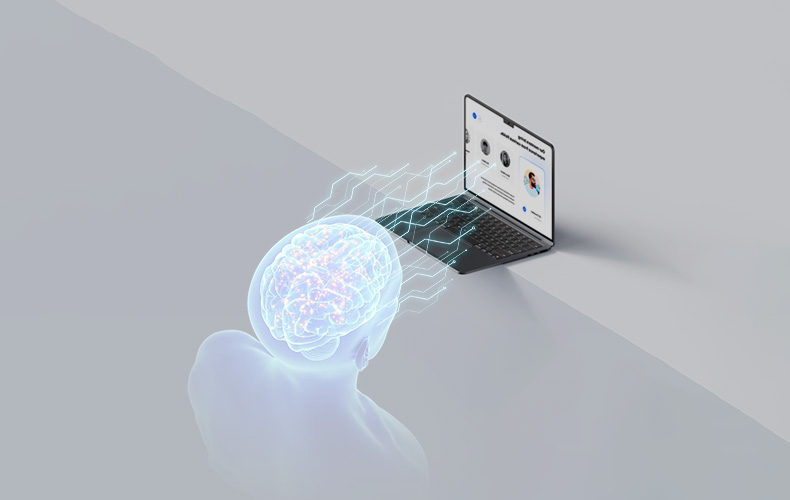 Unlock communication skillsPatients with severe aphasia caused by stroke, amyotrophic lateral sclerosis (ALS), etc. can decode the neural signals of the language cortex or handwritten intention in the brain, convert "thoughts" into text or speech output, and achieve mental typing or speech synthesis.
 -
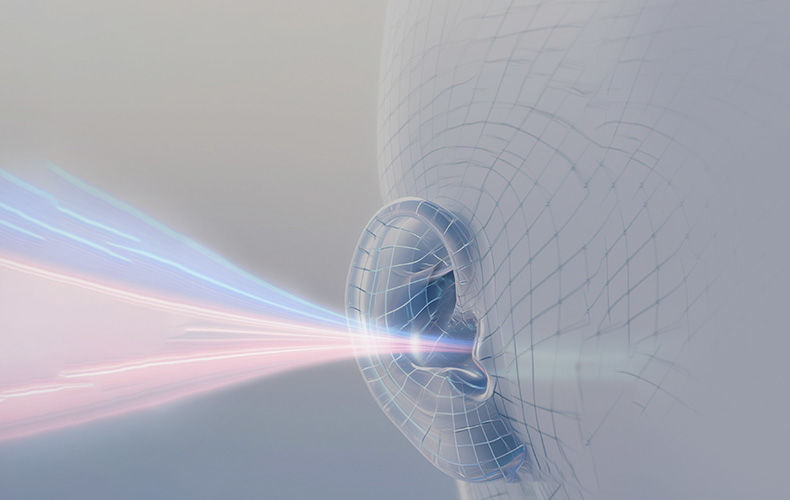 Simulated perception functionExplore a new information input mode for blind or deaf patients. Encode visual and auditory information captured by cameras or microphones into specific patterns of electrical stimulation sequences, which are directly applied to the visual or auditory cortex to assist in the formation of basic spatial perception or sound recognition.